
What Is RSD and Why Does Your ADHD Teen Feel Everything So Deeply?
Your teen gets a single comment on an essay—"Needs more detail"—and suddenly it's a full meltdown. "I'm stupid." "My teacher hates me." "Why do I even try?" What started as mild feedback turns into slammed doors, tears, or icy withdrawal. You're left stunned, wondering how something so small triggered something so big.
If this sounds familiar, you're not imagining it—and neither is your teen. Many ADHD teens experience emotions more intensely, especially around criticism, rejection, or perceived failure. This pattern has a name many parents find relieving to learn: Rejection Sensitive Dysphoria, often called RSD.
Understanding RSD doesn't excuse hurtful behavior—but it does explain why your teen's reactions can feel so disproportionate. And once you understand it, you can respond in ways that actually help, instead of making things worse.
What Is RSD (Rejection Sensitive Dysphoria)?
RSD isn't a formal diagnosis—it's a term many professionals and families use to describe a pattern of extreme emotional sensitivity to rejection, criticism, or disappointment. It's especially common in people with ADHD.
For ADHD teens, the brain processes emotional pain quickly and intensely. A neutral comment can feel like a personal attack. A minor mistake can feel like proof they've failed at everything. Their reaction isn't manipulation or drama—it's their nervous system hitting full alarm mode.
How RSD Works in the Brain
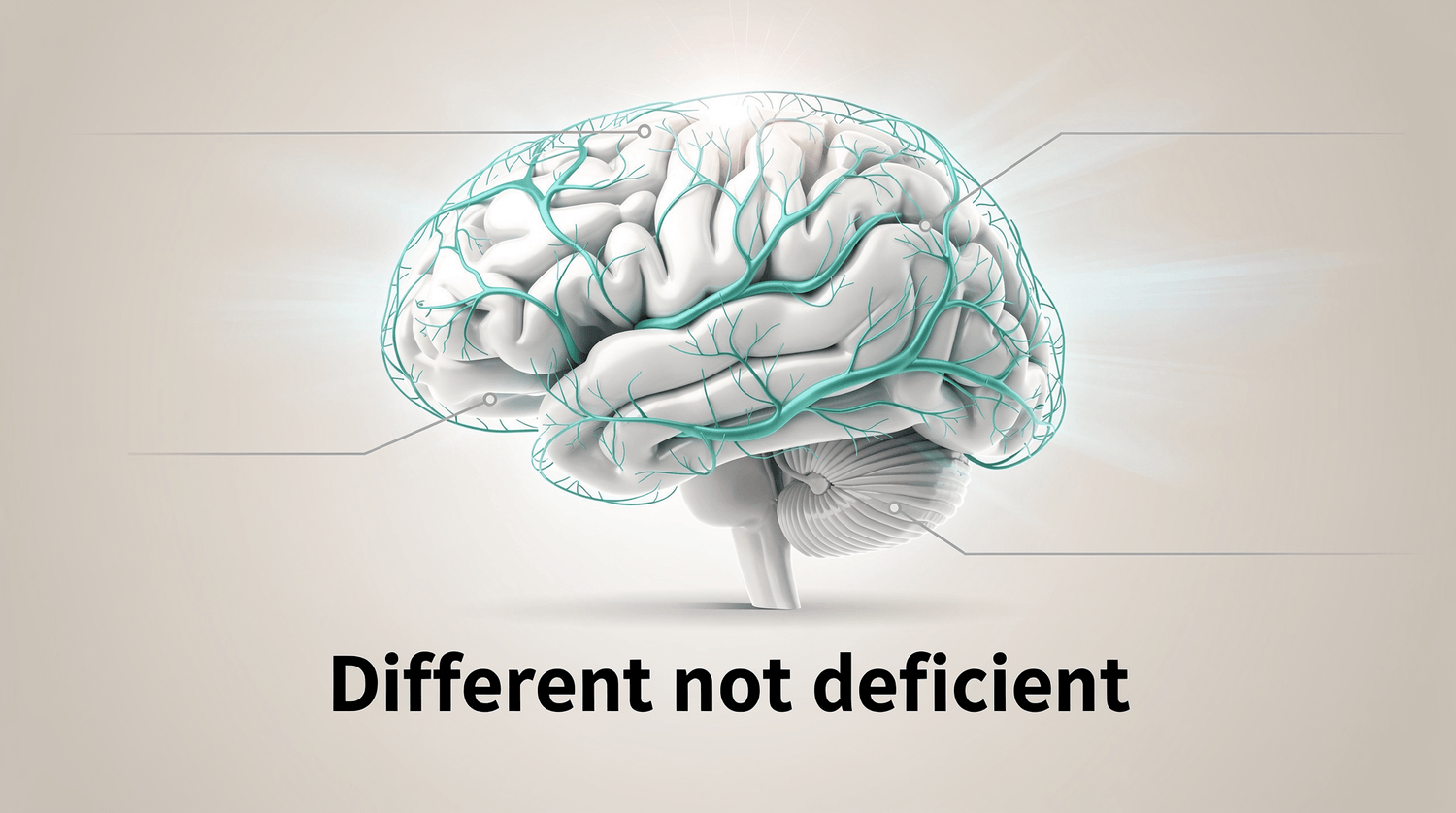
Research suggests that ADHD affects emotional regulation in the prefrontal cortex—the brain region responsible for managing reactions. When feedback or perceived rejection hits, the emotional response bypasses logical processing. The fight-or-flight response activates as if the threat were physical danger, not a teacher's comment or a friend's offhand remark.
This isn't weakness. It's neurobiology. And knowing that changes everything. Several factors come together to make RSD particularly intense during the teen years:
Lifelong Feedback History
Many ADHD teens have spent years hearing corrections—about behavior, grades, forgetfulness, or effort. Even well-meaning feedback can stack up like invisible weight. By the time they reach adolescence, criticism—no matter how gentle—can feel like confirmation of what they secretly fear: "I'm not good enough."
Emotional Regulation Challenges
ADHD doesn't just affect focus—it affects emotional control. The same executive function delays that make starting homework hard also make it harder to regulate emotions. Once emotions spike, bringing them back down takes longer and feels harder.
All-or-Nothing Thinking
ADHD brains often jump to extremes: If I messed this up, I'm terrible at everything. If she's mad at me, everyone hates me. This cognitive pattern, called "black-and-white thinking," amplifies RSD reactions.
Adolescence Intensifies Everything
Add normal teenage development—peer pressure, identity formation, hormonal changes—and RSD can feel overwhelming for everyone involved. What might have been manageable at age 10 becomes explosive at 15.
How RSD Shows Up Day-to-Day
RSD doesn't look the same in every teen. Some explode outward with anger or frustration. Others implode inward with shame or withdrawal. Both are equally painful.
Here are five common signs parents notice.
1. Extreme Reactions to Mild Criticism
A simple suggestion ("Try starting earlier next time") leads to tears, yelling, or shutting down completely. What you intended as helpful guidance lands as harsh judgment.
Example: You mention their room is messy. They hear: "You're a slob and I'm disappointed in you." The reaction matches the second interpretation, not your actual words.
2. Avoiding Anything That Might End in Failure
Your teen procrastinates, refuses to try new activities, or quits quickly—not because they don't care, but because failing feels unbearable. RSD creates a paralyzing fear of being "not good enough."
Example: Your teen won't audition for the school play, try out for a team, or apply for a leadership role—even though they're interested—because the possibility of rejection feels too risky.
3. People-Pleasing at Their Own Expense
Some teens with RSD bend over backward to avoid disapproval. They agree to things they don't want, hide struggles to keep others happy, or sacrifice their own needs to prevent conflict.
Example: Your teen says yes to every social invitation, even when exhausted, because saying no might make someone upset. They'd rather burn out than risk disappointing anyone.
4. Disproportionate Emotional Explosions
A small disappointment—like a friend canceling plans—leads to rage or despair that seems outsized to the situation. The emotional reaction doesn't match the event because it's tapping into a deeper reservoir of accumulated hurt.
Example: Plans change last minute, and your teen spirals: "No one cares about me. I have no real friends." It's not about this one canceled plan—it's about every other time they've felt left out or rejected.
5. Physical Symptoms During Emotional Moments
Stomachaches, headaches, racing heart, or feeling "sick" when criticism or rejection is anticipated or perceived. The body responds to emotional pain as if it were physical danger.
Example: Your teen wakes up with a stomachache on the morning of a big presentation. It's not avoidance—it's their nervous system reacting to the fear of being judged.
If you're nodding along, take a breath. This isn't a parenting failure. It's a nervous system pattern—and patterns can be supported.
What Actually Helps Teens with RSD
The instinct to fix, logic, or correct is strong—but with RSD, those moves usually backfire. Support starts with safety, not solutions.
1. Validate First (Even When You Disagree)
Validation doesn't mean you agree with their interpretation. It means you acknowledge the feeling is real.
Instead of: "You're overreacting—it's not a big deal."
Try: "That comment really hurt. I can see how upset you are."
This tells their nervous system it's safe to calm down. Once they feel heard, logic and perspective can come later—but not before.
Why It Works: When emotions are high, the logical brain is offline. Validation brings the nervous system down enough for the thinking brain to come back online.
2. Help Them Name RSD Moments
Once calm, gently help your teen recognize patterns. Naming what's happening creates distance between who they are and what they're feeling.
You might say:
"This feels like one of those moments where feedback hits extra hard."
"Could this be an RSD moment?"
"Your brain is telling you this is catastrophic—but let's check if that's accurate."
Why It Works: When teens can identify RSD, they gain a sense of control. It's no longer "I'm broken"—it's "My brain is doing that RSD thing again."
3. Teach Simple Self-Talk Scripts
RSD often hijacks inner dialogue, replacing rational thoughts with harsh self-criticism. Help your teen practice replacement thoughts before the next trigger.
Examples:
"This feeling is intense, but it will pass."
"One mistake doesn't define me."
"Feedback is information, not a verdict."
"I can feel hurt and still be okay."
Write these down together. Post them where your teen studies, keeps their phone, or gets ready in the morning. Repetition rewires patterns over time.
4. Create "Safe Failures" on Purpose
Teens with RSD need experiences where failure doesn't equal rejection. This builds resilience and proves that mistakes don't destroy relationships or self-worth.
Try:
Low-stakes challenges (learning a new card game, cooking something new, trying a craft project)
Letting mistakes happen without rescuing or criticizing
Praising effort and recovery, not just outcomes
Say things like:
"That didn't work—and you handled it."
"I'm proud of you for trying, even though it was hard."
"Mistakes are how we learn. You're doing great."
Why It Works: Safe failures teach the brain that rejection isn't fatal. Over time, this reduces the intensity of RSD reactions.
5. Separate Feedback from Worth
When giving corrections, be explicit about what you're addressing—and what you're not.
Script: "I love you exactly the same whether this assignment is perfect or messy. This feedback is about the work, not about you as a person."
Repetition matters. RSD brains need to hear this often—because years of accumulated feedback have taught them the opposite.
A Parent Moment That Changes Everything
One parent shared that her daughter melted down every time teachers emailed feedback. Instead of discussing the content right away, she started asking, "Do you want comfort or solutions first?"
Most days, her daughter chose comfort. They'd sit together quietly, maybe hug, maybe just be in the same room. The conversations became shorter, calmer—and eventually, her daughter started asking for solutions on her own.
Sometimes the shift is that small: giving your teen control over when they're ready to problem-solve instead of forcing it when emotions are still high.
The Complete System
If RSD feels like it's running your household, the Emotional Regulation & RSD System gives you clear, step-by-step support.
Inside, you'll find:
Tools to help teens recognize emotional overwhelm early
Parent scripts for high-intensity moments
Exercises to build emotional recovery skills
A framework for reducing meltdowns over time—not just surviving them
Real stories from families who've navigated RSD successfully
It's practical, parent-friendly, and built specifically for ADHD teens who feel everything deeply.
Ready to Support Big Feelings Without Walking on Eggshells?
👉 Download the free RSD Survival Guide to understand your teen's emotional triggers and practice calm responses.
Then explore the Emotional Regulation & RSD System ($37) to build lasting skills—for your teen and for you.
You don't need to fix their feelings. You just need the right tools to support them through it.
© 2026 ADHD Vault. All rights reserved. No part of this content may be reproduced, distributed, or transmitted without prior written permission. Contact hello@adhdvault.com for licensing inquiries.
Ready for the Full System?
Get all 5 complete systems with 40+ video lessons and 25+ workbooks.

Evidence-based systems designed for how ADHD brains actually work. Created by an ADHD mom who gets it.






Connect hello@adhdvault.com Response within 24-48 hrs
Secure checkout powered by Stripe • 7-day money-back guarantee
© 2026 ADHD Vault LLC. All rights reserved.

Evidence-based systems designed for how ADHD brains actually work. Created by an ADHD mom who gets it.
Connect hello@adhdvault.com Response within 24-48 hrs
Large Call to Action Headline
Contact Us
Open Hours
Mon-Fri: 9 AM – 6 PM
Saturday: 9 AM – 4 PM
Sunday: Closed
Location
2 Cruise Park Rise Tyrrelstown
Dublin 15, Ireland
Email: support@systeme.io
Telephone: +1 234 567 890


Secure checkout powered by Stripe • 7-day money-back guarantee
© 2026 ADHD Vault LLC. All rights reserved.